

VISTAPLAN BLOG
Read the Vistaplan Financial Group blog: Universal Life Insurance, Term Insurance, Disability Insurance, Critical Illness Insurance, Super Visa Insurance.
Posted: Feb 1

Rising benefit costs are putting pressure on employers across Canada. You want to offer competitive group health insurance benefits to attract and retain top talent, but budget constraints make it challenging to cover everything your team needs. The good news? Voluntary benefits offer a practical solution that lets you expand your benefits package without shouldering the full financial burden.
Voluntary or employee-paid benefits allow your staff to access additional coverage through payroll deduction, giving them choice and flexibility while keeping your costs manageable. If you're considering adding voluntary benefits to your group plan, reach out to a Vistaplan advisor who can help you design a package that works for your business and your team.
Voluntary benefits are insurance products or services that employees can choose to purchase through their workplace, with premiums deducted directly from their paychecks. Unlike core group health insurance benefits that employers typically subsidize, voluntary benefits are entirely employee-funded. Think of them as optional add-ons to your existing benefits package.
Why should this matter to you as an employer? For starters, offering voluntary benefits demonstrates that you care about your employees' wellbeing without necessarily increasing your benefits budget. Your team gains access to group rates and convenient payroll deduction, while you get a more attractive benefits package to showcase during recruitment. It's a win-win situation that helps smaller businesses compete with larger employers who might offer more comprehensive coverage.
The range of voluntary benefits available to Canadian employers is broader than many realize. Dental and vision coverage are the most common options, particularly for businesses that only offer basic health coverage. Extended health care, including paramedical services like physiotherapy, massage therapy, and chiropractic care, is another popular choice.
Life insurance and critical illness coverage are frequently offered as voluntary add-ons, allowing employees to secure additional protection for their families beyond any employer-sponsored life insurance. Disability insurance, both short-term and long-term, gives workers peace of mind knowing they're protected if illness or injury prevents them from working.
Telemedicine services have surged in popularity since the pandemic, offering employees convenient virtual access to healthcare professionals. Other options include health spending accounts, wellness programs, legal insurance, and even pet insurance. The key is selecting voluntary benefits that align with your workforce's needs and complement your existing group health insurance benefits package.
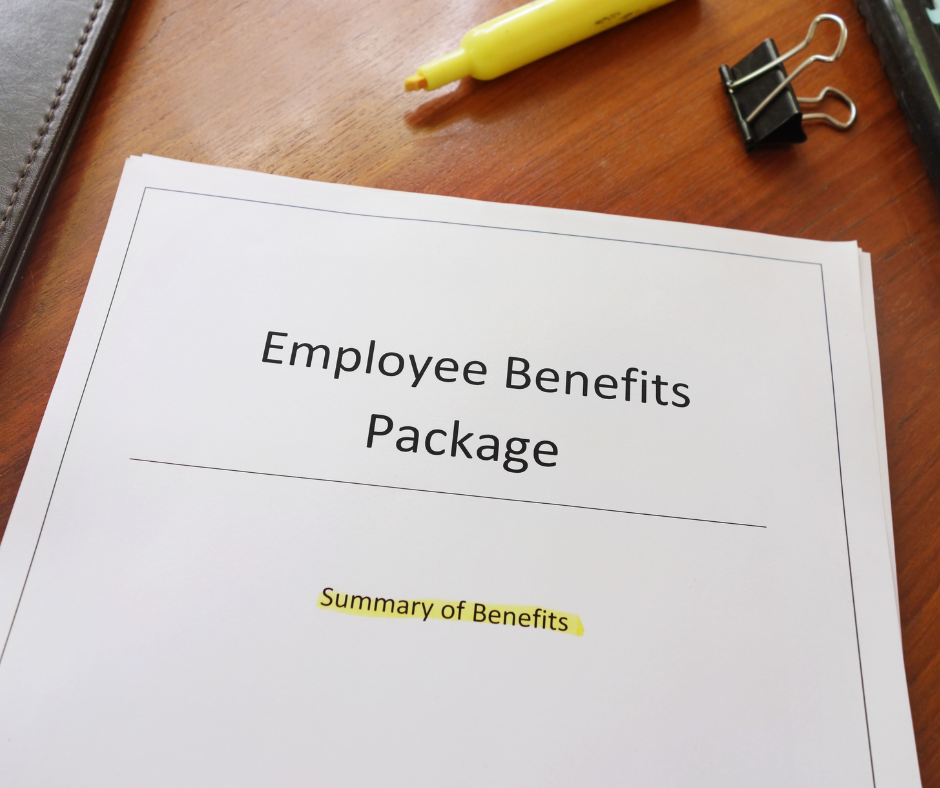
The mechanics of voluntary benefits are straightforward. Employees who choose to enrol have their premiums automatically deducted from their paychecks, typically on a monthly basis. This happens after tax deductions, making the process seamless for both employers and employees.
From an administrative standpoint, you'll work with your benefits provider to set up the payroll deduction system. Once established, the insurance company receives premium payments directly through your payroll process, eliminating the need for employees to manage separate billing. This convenience factor is one reason why group rates through workplace voluntary benefits are often more affordable than individual policies purchased independently.
Your payroll system will need to track these deductions accurately and remit payments to the insurance carrier according to your agreement. Most modern payroll software can handle this easily, but it's worth confirming with your provider before rolling out voluntary benefits to ensure everything integrates smoothly.

Even the best voluntary benefits package won't help your team if they don't understand what's available or why they should enroll. Clear, consistent communication is essential for driving participation rates in your group health insurance benefits program.
Start with comprehensive education sessions where employees can learn about available options and ask questions. Consider hosting both group presentations and one-on-one consultations to accommodate different learning styles. Provide simple comparison charts that break down coverage options, costs, and key benefits in plain language without insurance jargon.
Timing matters too. The most effective enrollment periods often coincide with open enrollment for core benefits or major life events like marriage or the birth of a child. Some employers find success with automatic enrollment for certain voluntary benefits, though this requires careful consideration and clear opt-out procedures.
Don't underestimate the power of testimonials. When employees hear from colleagues who've benefited from voluntary coverage, they're more likely to enroll themselves. Regular reminders throughout the year, not just during enrollment periods, keep voluntary benefits top of mind and give employees multiple opportunities to sign up.
While voluntary benefits reduce your financial burden, they do introduce administrative considerations. Eligibility requirements need careful attention. Most insurers require a minimum participation rate, often 25 to 50 percent of eligible employees, before they'll offer group rates. If participation falls below these thresholds, you risk losing favourable pricing or the coverage altogether.
You'll also need clear policies about who qualifies for voluntary benefits. Full-time employees? Part-time staff? Contract workers? Whatever you decide, consistency is crucial to avoid discrimination claims or employee dissatisfaction. Some employers use waiting periods, requiring employees to complete probationary periods before they're eligible for voluntary benefits.
Administrative complexity increases with each voluntary benefit you offer. You're responsible for tracking enrollments, processing payroll deductions accurately, managing changes during life events, and handling terminations appropriately. Many Alberta businesses work with benefits administrators or brokers who can streamline these tasks and ensure compliance with insurance carrier requirements.

Understanding the tax implications of voluntary benefits is essential for both employers and employees. In Canada, the tax treatment varies depending on the type of coverage. Health and dental insurance premiums paid by employees through payroll deduction are generally not considered taxable benefits. Employees pay these premiums with after-tax dollars, but any claims they receive are tax-free.
Life insurance and disability coverage work differently. Employer-paid premiums for group life insurance above $25,000 of coverage create a taxable benefit for employees. With voluntary life insurance where employees pay their own premiums, there's typically no taxable benefit, but any disability benefits they later receive would be tax-free. This contrasts with employer-paid disability insurance, where received benefits are taxable.
For Alberta employers specifically, you'll need to ensure your voluntary benefits program complies with provincial employment standards legislation. While voluntary benefits don't fall under the same requirements as mandatory employer contributions, clear documentation and transparent communication prevent misunderstandings that could lead to disputes.
It's worth noting that employees generally cannot claim voluntary benefit premiums as medical expenses on their personal tax returns if these premiums are paid through payroll deduction from a group plan. However, tax rules can be complex and individual circumstances vary, so encourage your employees to consult with tax professionals about their specific situations.

Ready to expand your group health insurance benefits package with voluntary options? Start by surveying your employees to understand what
coverage gaps exist and which voluntary benefits would be most valued. This feedback helps you prioritize options that will actually drive
enrollment.
Next, connect with benefits providers or brokers who specialize in group benefits for Canadian businesses. They can help you compare carriers, understand pricing structures, and navigate the implementation process. Look for providers with strong administrative support and user-friendly platforms that make enrollment and management easier for everyone involved.
Plan your communication strategy before launch. Develop clear, jargon-free materials that explain each voluntary benefit option, what it costs, and how employees can enroll. Budget time for education sessions and follow-up support during your first enrollment period.
Remember, your voluntary benefits program doesn't have to be perfect from day one. Many successful employers start with one or two popular options like dental or vision coverage, then expand their offerings based on employee feedback and participation rates. The goal is creating a benefits package that supports your team while remaining financially sustainable for your business.
Expanding your group health insurance benefits through voluntary options is a smart strategy for Alberta employers who want to offer more without breaking the budget. If you're ready to explore how voluntary benefits could work for your organization, reach out to a Vistaplan advisor today. We'll help you design a benefits package that meets your team's needs while keeping your costs under control.
 REQUEST YOUR INSURANCE QUOTE

David is a well-respected insurance advisor with over 30 years of experience helping healthcare professionals, business owners, and their
families secure their financial futures. He takes the time to make certain his clients understand the life, disability, and health insurance
products they are purchasing, so they can make the right choices for their budgets, plans, and futures.
 Learn More About Insurance
 Contact Us to Discuss Coverage